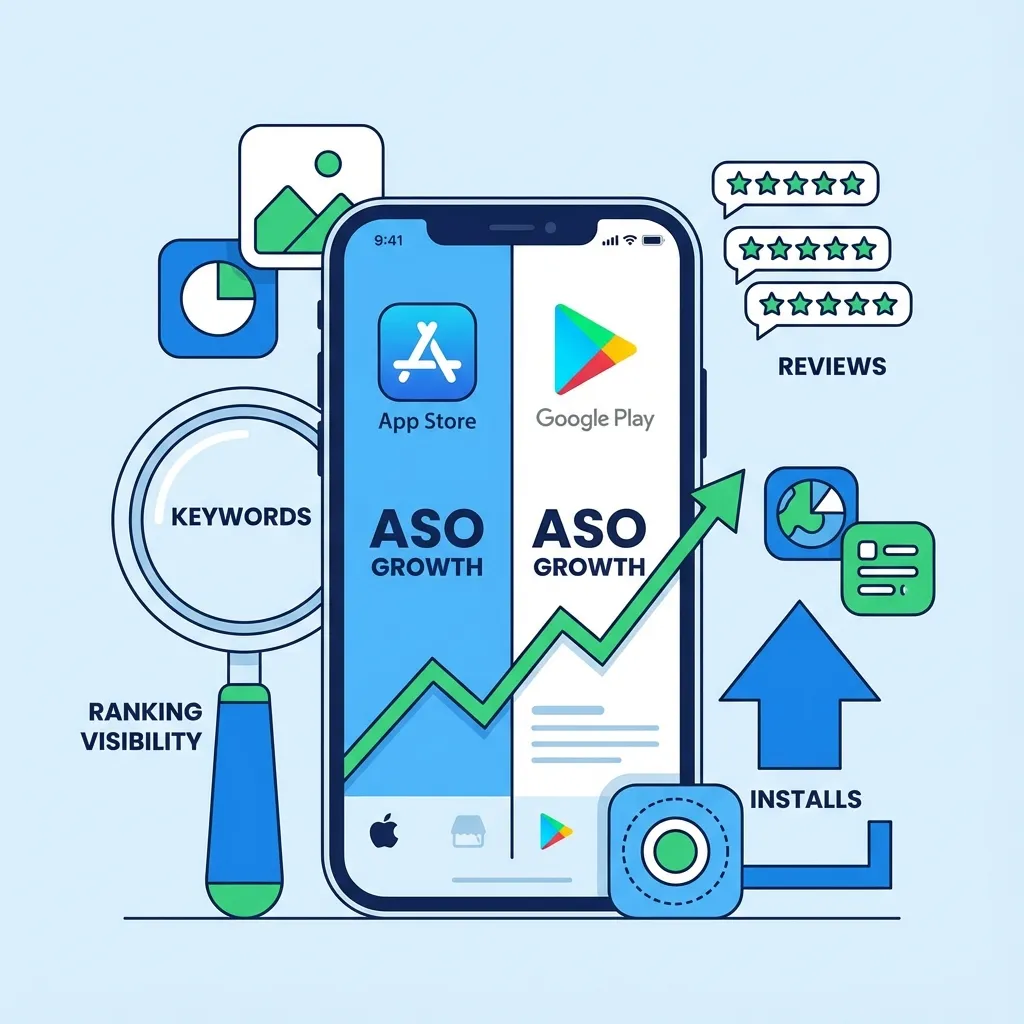
Mobile game cost depends on scope, art style, gameplay depth, online features, and launch support. A small prototype can be fast. A polished live game needs design, development, art, testing, store assets, analytics, and updates.
Cost Drivers
The largest cost drivers are usually 3D art, custom animation, multiplayer, backend systems, live events, and the number of supported devices.
Typical Scope Bands
Use these bands for planning only.
- Prototype: one core mechanic, rough art, basic UI, internal testing
- Hyper-casual game: polished core loop, analytics, ads, store assets
- Puzzle game: progression, boosters, levels, balancing, ASO testing
- Simulation game: vehicles, physics, environments, missions, optimization
Hidden Costs
Plan budget for screenshots, icon testing, privacy policy, content rating, QA devices, analytics events, crash reporting, ad mediation, soft launch, and live updates.
Better Briefs Save Money
A clear brief with target audience, reference games, monetization plan, art direction, and must-have features reduces rework. The fastest way to raise cost is to begin production before the core loop is validated.
WORK WITH VEXIL LOGIC
Need help building or improving a mobile game?
Talk to Vexil Logic about Unity development, ASO, monetization, analytics, prototyping, or launch support.
Contact the Studio// Related Resources