Hyper-casual design has moved beyond one-tap clones. The best casual mobile games in 2026 still feel instant, but they now need stronger feedback, clearer progression, smarter monetization, and better session design to survive rising acquisition costs.
Hyper-casual games work when the player understands the action immediately. Hybrid-casual games keep that instant core loop but add progression, rewards, collections, upgrades, LiveOps hooks, and deeper monetization.
The 2026 Casual Game Formula
The strongest casual and hyper-casual games combine immediate clarity with hidden depth.
- The first action should be understood in seconds
- The first win should arrive quickly
- The next goal should always be visible
- Failure should feel fair and restart quickly
The first 10 seconds matter most. If the player cannot understand what to do, no amount of meta progression will save the game. The prototype should prove input, feedback, goal clarity, and replay desire before production expands.
Trending Casual Mechanics
The mechanics with the best prototype potential are simple to understand but flexible enough for level variation.
- Merge and drop puzzles with satisfying physics
- Parking, traffic, and sorting puzzles with clear failure states
- One-touch runners with upgrade or collection goals
- Cleaning, cutting, organizing, and repair loops with ASMR-style feedback
- Lightweight arcade remakes that work on browser and mobile
These ideas are not valuable because they are trendy by name. They are valuable when the prototype proves the core loop is satisfying in the first 10 seconds.
10 Prototype Ideas For 2026
These are starting points, not guaranteed winners. The value comes from fast testing.
- Color bus sorting with blocked lanes and passenger queues
- Merge puzzle with physics, boosters, and collection goals
- Parking puzzle with traffic timing and short missions
- Cleaning loop with upgradeable tools and visible before-after progress
- One-touch runner with route choices and light equipment upgrades
- Repair puzzle where players assemble simple machines or vehicles
- Stacking game with weight, balance, and risk-reward decisions
- Delivery loop with tiny maps, traffic, upgrades, and time pressure
- Arcade remake with modern touch controls and mission layers
- Satisfying organization game with rooms, shelves, or inventory sorting
Hyper-Casual vs Hybrid-Casual
Pure hyper-casual games depend on fast understanding, fast sessions, and ad-driven scale. Hybrid-casual games keep the simple core loop but add progression, collections, upgrades, and LiveOps hooks.
For most new studios and founders, hybrid-casual is safer because it gives more room for retention and monetization. The tradeoff is that the game needs better design discipline: too much meta progression can hide the simple fun that made the prototype work.
Prototype Timeline
A practical prototype sprint should answer one product question at a time.
- Day 1: define player action, goal, fail state, reward, and reference games
- Days 2-4: build the playable loop with rough art and mobile controls
- Day 5: tune feedback, level length, retry speed, and difficulty
- Day 6: add one progression or monetization assumption
- Day 7: review playability, ASO angle, risks, and next production decision
This is why Vexil Logic treats Game Prototype Development as a risk-reduction step before full mobile game development.
Feedback Is the Product
Players remember satisfying movement, haptics, sounds, particles, and physics. Merge games, runners, parking games, and cleaning games all win when basic actions feel good enough to repeat.
Feedback should be layered. The player needs instant reaction, short reward, and a visible next goal. For example, a merge game needs collision feel, size growth, score feedback, board pressure, and a reason to start another round.
Monetization Trend
The safest 2026 monetization pattern for casual games is rewarded-first monetization. Rewarded ads should help the player continue, unlock, speed up, or recover. Interstitials should appear only at natural breaks and should not punish failure.
Strong casual games plan monetization early because ad placement affects level length, retry speed, reward value, and player trust.
Use Monetization Calculator to test ARPDAU, eCPM, fill rate, retention, and LTV assumptions before buying traffic. Monetization is not only ad placement; it is part of level design, reward design, and analytics.
Meta Layers
Pure score chasing is weaker than it used to be. Add light progression such as unlockable skins, new worlds, collections, missions, or daily rewards. The meta layer should support the core action instead of hiding it.
Good meta layers make the next session obvious. Bad meta layers add menus, currencies, and upgrades that delay the fun. For early prototypes, one simple progression hook is enough.
Retention Signals To Watch
Before scaling a casual game, watch these numbers:
- First-session completion rate
- Tutorial drop-off
- Day 1 retention
- Rewarded ad opt-in rate
- Session length
- Level retry rate
- Crash rate on lower-end Android devices
If players understand the game but do not replay it, the issue is usually progression, difficulty curve, reward timing, or weak feedback.
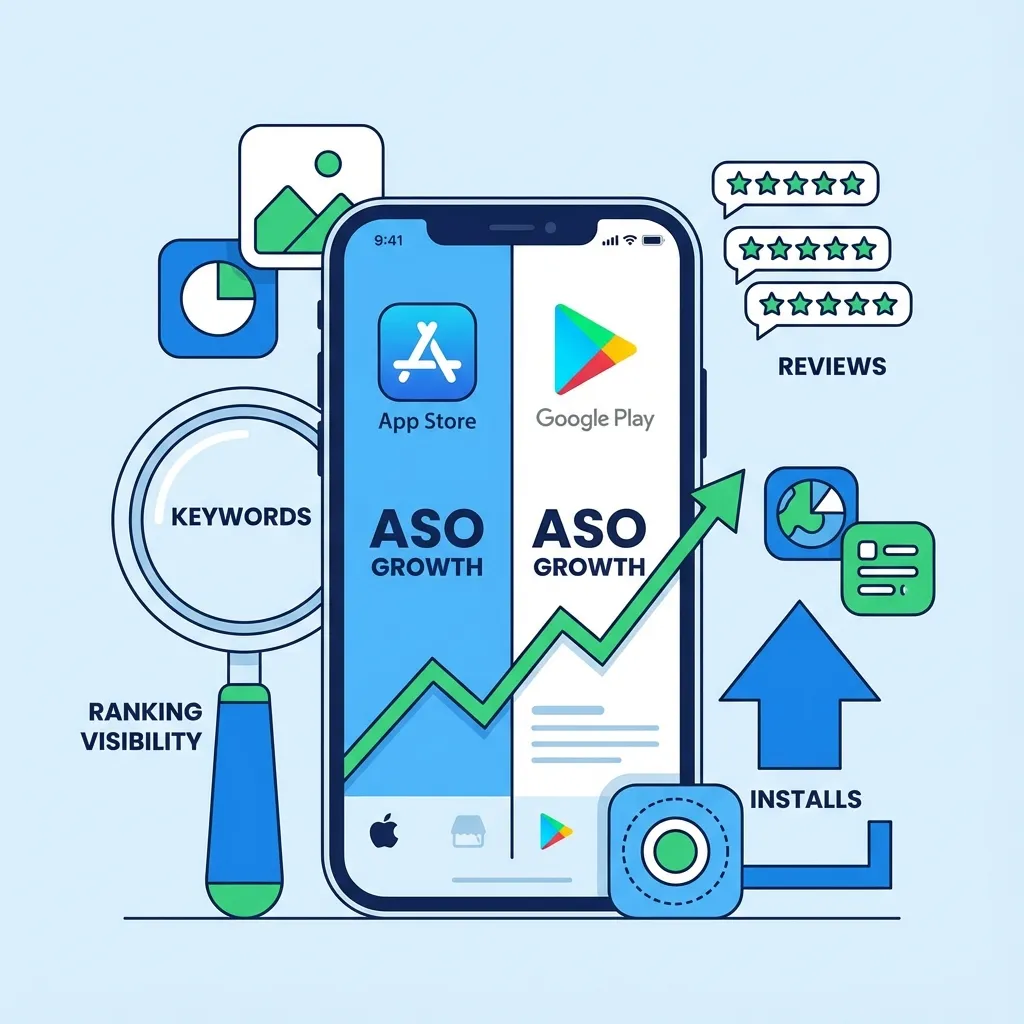
ASO For Casual Games
Casual game ASO should be planned during the prototype. The store promise must match the gameplay.
- Use genre and mechanic keywords naturally
- Show gameplay in the first screenshot
- Keep icons readable at search-result size
- Use short captions that explain the benefit
- Connect the game page to related articles and case studies
Use ASO Keyword Analyzer to compare keyword options and Mobile Game ASO Services when the listing needs deeper keyword, screenshot, and icon review.
Common Production Mistakes
Many casual prototypes fail because teams build too much before proving the loop.
- Starting with store art before the mechanic feels good
- Adding meta progression before the core action is satisfying
- Showing ads too early in onboarding
- Making failure feel unfair or restart too slow
- Testing only in the editor and not on real Android devices
- Ignoring ASO until the day before launch
What Vexil Logic Would Build First
For a 2026 casual prototype sprint, we would start with one core loop, one progression hook, one monetization test, and one ASO angle. That is enough to evaluate whether a mobile game idea deserves full production.
Production Advice
Prototype fast, test retention early, and keep builds small. A simple mechanic with clean performance usually beats a larger idea that struggles on lower-end Android devices. If you want a hyper-casual or hybrid-casual prototype, start with a clear loop and build only the systems needed to prove it.
For implementation help, start with Hyper Casual Game Development or review the sprint model at Hyper Casual Prototype Sprint. The best production path is prototype, evaluate, improve, then scale only when the evidence supports it.
From idea to playable proof
Test one casual mechanic before full production
The prototype service explains the first milestone, inputs, and handoff. Fruit Merge is a published puzzle example you can inspect; it is not presented as a measured prototype-sprint result.
PROTOTYPE SPRINT
Turn a casual game trend into a playable prototype
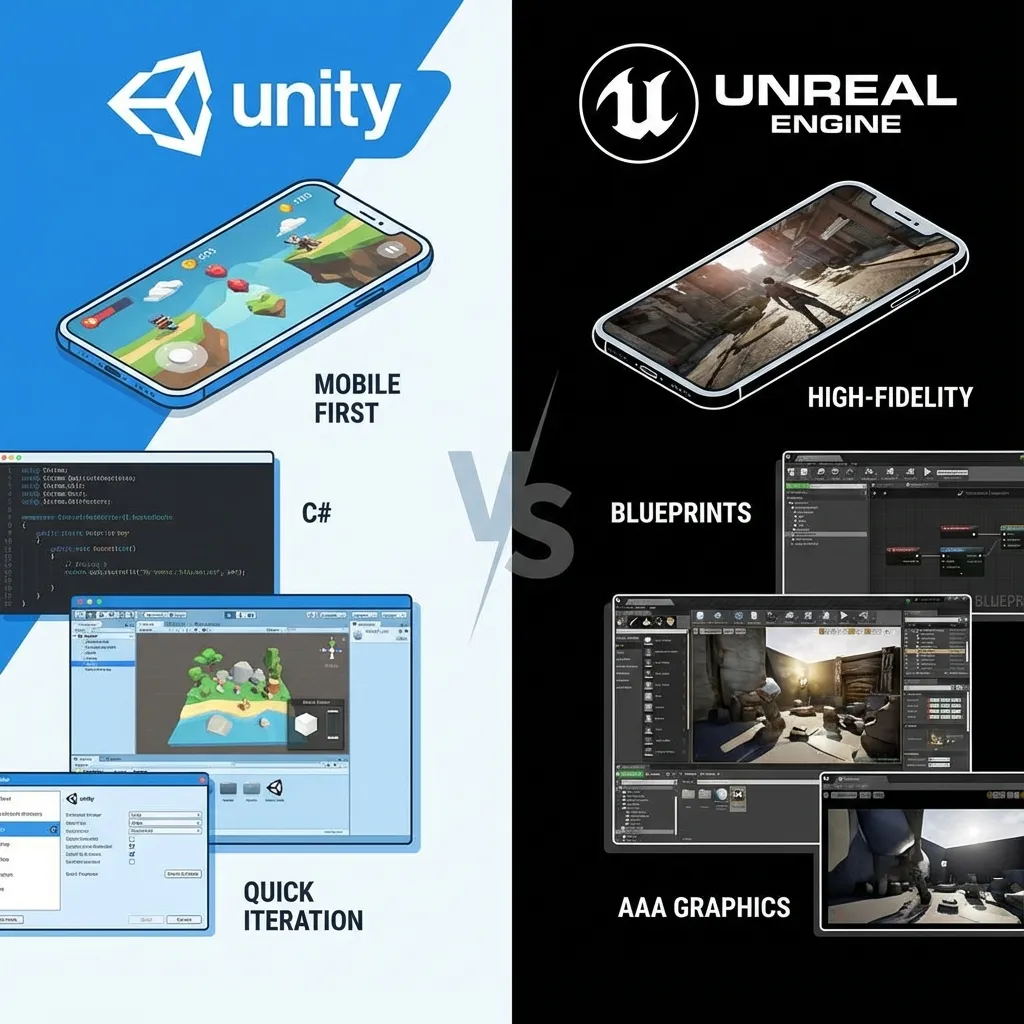
Use a focused Unity sprint to test the core loop, mobile controls, first-session clarity, ASO angle, and monetization assumptions before committing to full production.
Scope a Prototype// Related Resources